Vinho 1 — As minhas sugestões para uma garrafeira económica de qualidade
Visitas 0
Começar um projecto destes acarreta riscos. Vou corrê-los.
A escolha do #Vinho1 foi um quanto aleatória.
É o vinho que eu estou a beber.
Vou, então, apresentá-lo, tentando manter a filosofia que tenho vindo a seguir, a minha.
Vinho 1 — Quinta da Alorna, 2017, tinto .
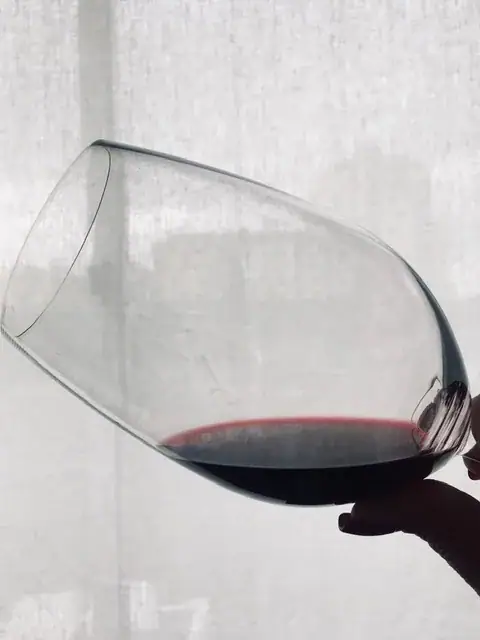
Observo a sua cor limpa e rubi, que resulta das castas Tinta Roriz, Castelão, Syrah e Alicante Bouschet, estas duas últimas não aprovadas pela CVRTejo, o que o transforma num vinho Regional Tejo.
No nariz, com um aroma médio — que não seria óbvio se eu estivesse a cozinhar — os frutos vermelhos convidam a prová-lo.
Bebendo-o, a secura mostra-se na ponta da língua e os taninos e a acidez estalam, equilibrados e suaves. De um volume médio, os frutos vermelhos voltam a sobressair.
Por um pequeno preço, 3.99€, a qualidade é boa, e acredito que este vinho, engarrafado em 2020, possa ser guardado por um ou dois anos.
A sua enóloga, Martta Reis Simões , apresenta-nos um vinho com teor alcoólico de 13,5%, a cidez total de 6 g/l, e p H de 3,5.
Um pouco de história..
Antes de partir para a Índia como vice-rei, D. Pedro de Almeida Portugal, 1º Marquês de Alorna, mandou construir o palácio que viria a ser palco de grandes acontecimentos históricos e culturais que fez de Portugal o que ele é hoje.
O seu filho D. João plantou vinhas, produziu azeite, criou pomares, bosques e jardins de amoreiras.
A terceira geração, a D. Leonor, quarta Marquesa de Alorna, foi uma das mulheres mais cultas da sua época e promoveu a Quinta, com festas e saraus culturais, onde evidenciou os seus dotes como escritora. Ao mundo, deixou 8 filhos e várias obras literárias.
Após a sua morte, a quinta foi vendida, até chegar a outra família, onde o genro Fausto Lopo de Carvalho, um prestigiado médico pneumologista (contemporâneo de Egas Moniz), encarregou-se da gestão da Quinta, conseguindo que voltasse à prosperidade.
Mais tarde, no pós 25 de Abril, a Quinta da Alorna viveu momentos difíceis em que a força e a determinação dos trabalhadores, que viram as suas casas e sustento ameaçados, foram imprescindíveis para que esta não fosse ocupada.
Hoje, é administrada pela quarta e quinta gerações da família Lopo de Carvalho, que continuam com orgulho a tradição e a história desta casa.
O meu pairing foi com caril de frango e arroz.
Qual a vossa sugestão?
Até breve,
Starting a project like this comes with risks. I’m going to take them.
The choice of #Vinho1 was somewhat random.
It is the wine I am drinking.
So, I will now introduce it, trying to stay true to the philosophy I have been following—my own.
Wine 1 — Quinta da Alorna, 2017, red.
I observe its clear, ruby colour, the result of the Tinta Roriz, Castelão, Syrah and Alicante Bouschet grapes, the latter two not approved by CVRTejo, which makes this a Regional Tejo wine.
On the nose, with a medium-intensity aroma—which would not be obvious if I were cooking—the red fruit invites me to taste it.
On the palate, dryness appears at the tip of the tongue, while the tannins and acidity crackle, balanced and smooth. Medium-bodied, the red fruit comes through again.
At a modest price of 3.99€, the quality is good, and I believe that this wine, bottled in 2020, could be kept for one or two years.
Its winemaker, Martta Reis Simões, presents us with a wine containing 13,5% alcohol, total acidity of 6 g/l, and a pH of 3,5.
A little history...
Before leaving for India as viceroy, D. Pedro de Almeida Portugal, 1º Marquês de Alorna, commissioned the construction of the palace that would go on to host major historical and cultural events, helping to shape the Portugal we know today.
His son D. João planted vineyards, produced olive oil, and created orchards, woods and mulberry gardens.
The third generation, D. Leonor, fourth Marquesa de Alorna, was one of the most cultured women of her time and promoted the Quinta with parties and cultural soirées, where she showcased her gifts as a writer. She left the world 8 children and several literary works.
After her death, the estate was sold, eventually passing to another family, whose son-in-law Fausto Lopo de Carvalho, a prestigious pulmonologist and contemporary of Egas Moniz, took charge of managing the Quinta and succeeded in restoring its prosperity.
Later, in the period following 25 de Abril, Quinta da Alorna went through difficult times. The strength and determination of the workers, who saw their homes and livelihoods under threat, were essential in preventing it from being occupied.
Today, it is managed by the fourth and fifth generations of the Lopo de Carvalho family, who proudly continue the tradition and history of this house.
My pairing was chicken curry and rice.
What would you suggest?
Until next time,
Menina do Livrinho . wine
Menina do Livrinho.Wine
- Tejo
- Tinta Roriz
- Alicante Bouschet
- Castelão
- Syrah
- Alicante Bouschet
- CVRTejo
- Castelão
- Martta Reis Simões
- Quinta da Alorna
- Syrah
- Tinta Roriz
- Vinho1
Galeria
Comentários (0)
Este artigo ainda não tem comentários.
Deixar um comentário
Comentário enviado
Vai ser publicado depois de ser aprovado. Obrigada pela partilha!
O comentário não foi enviado
Houve um problema a falar com o servidor. Tenta outra vez daqui a pouco — o que escreveste continua aí.