Vinho Verde, já sabias?
Visitas 0
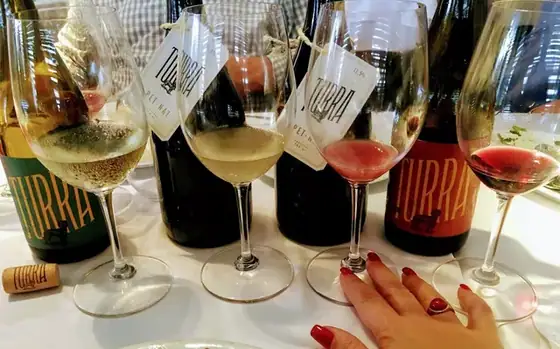
Ontem, num passeio onde foram servidos e explicados vinhos, fiquei deveras surpreendida.
Ainda existem muitas inconsistências quando se fala de vinho e dos seus conceitos. Para não vos aborrecer com grandes teorias, vou ficar por três pontos que ontem me incomodaram particularmente. Os outros erros que também ouvi ficam para próximos Portugal, já sabias?
O Vinho Verde não é um estilo de vinho. Erro 1
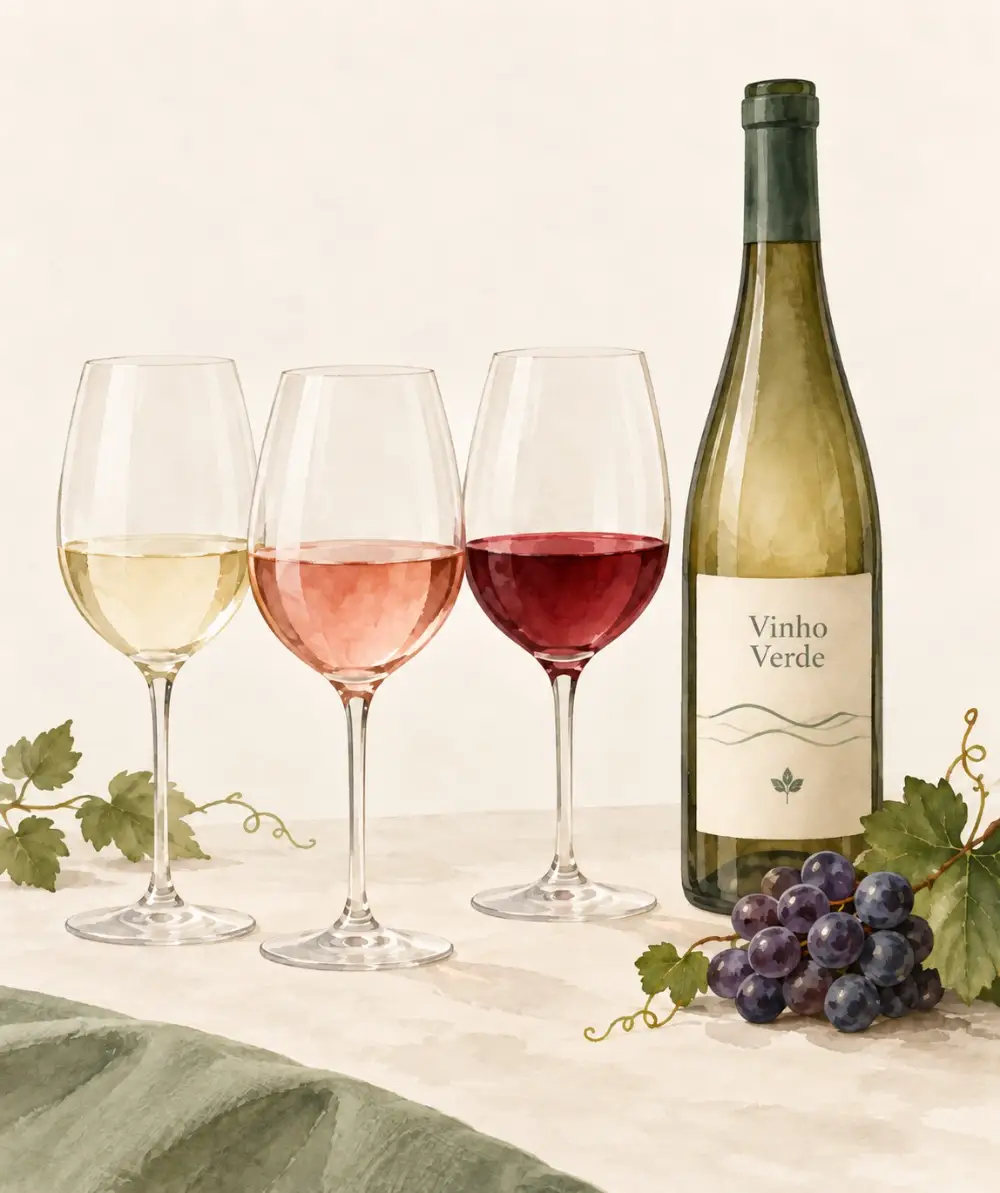
Vinho Verde é uma Denominação de Origem, produzida na Região Demarcada dos Vinhos Verdes, no noroeste de Portugal.
Nessa região produzem-se vinhos brancos, rosés e tintos, além de espumantes e aguardentes. Portanto, Vinho Verde não é sinónimo de vinho branco, leve e com umas bolhinhas simpáticas.
E já agora, esta não é propriamente uma região sem identidade. A Região dos Vinhos Verdes está dividida em nove sub-regiões: Amarante, Ave, Baião, Basto, Cávado, Lima, Monção e Melgaço, Paiva e Sousa. Cada uma tem características próprias de solo, clima e castas, ou seja, o seu próprio terroir.
Entre as castas brancas mais emblemáticas encontramos Alvarinho, Arinto, aqui também conhecida como Pedernã, Loureiro, Avesso, Azal e Trajadura. Entre as castas tintas destacam-se Espadeiro e Padeiro de Basto, muito utilizadas na produção de rosés, e Vinhão, esta última responsável por alguns dos tintos mais intensos e característicos da região.
A região foi demarcada em 1908 e é uma das mais antigas regiões vitivinícolas portuguesas. Mas a relação deste território com a vinha é muito anterior: a cultura da vinha no noroeste da Península Ibérica tem mais de dois mil anos. Foi também neste território que Portugal começou a afirmar-se enquanto país, a partir do século XII.
E há ainda um pormenor delicioso: alguns dos primeiros vinhos portugueses exportados para outros destinos europeus saíram precisamente desta região, já no século XIV.
Outra expressão que ainda se ouve é a oposição entre “vinho verde” e “vinho maduro”. Erro 2
É uma distinção antiga e enganadora. Vinho Verde não significa vinho feito com uvas verdes ou por amadurecer. Muito menos significa vinho de menor qualidade.
É uma pena continuar a encontrar cartas de restaurantes divididas entre “vinhos verdes” e “vinhos maduros”. Revela que ainda há pouca cultura vínica neste país.
Uma carta pode organizar os vinhos por estilo e, dentro de cada categoria, indicar a região. Ou pode organizá-los diretamente por região. O que não faz sentido é colocar “Vinho Verde” de um lado e todos os restantes vinhos das outras regiões portuguesas numa misteriosa categoria chamada “maduros”.
As uvas são vindimadas maduras, como em qualquer outra região vitivinícola portuguesa. A influência atlântica favorece, de forma geral, uma maturação mais lenta e a preservação da acidez, razão pela qual muitos vinhos da Região dos Vinhos Verdes apresentam grande frescura e teores alcoólicos moderados.
Mas também existem Vinhos Verdes estruturados, complexos, com estágio e excelente capacidade de envelhecimento.
E chegamos ao Erro 3 Pensar que os Vinhos Verdes devem ser consumidos no próprio ano ou que, passado esse tempo, “se estragam”.
Vinho não é iogurte.
Nem todos os vinhos são feitos para envelhecer, naturalmente. Mas provem vinhos desta região já com vários anos e poderão ser surpreendidos pela complexidade, pelos aromas e pelos sabores que o tempo lhes trouxe.
Por isso, da próxima vez que alguém vos disser que Vinho Verde se chama assim porque as uvas são colhidas verdes, já sabem: essa história não passa de um mito.
Yesterday, in a wine-tasting tour where wines were served and explained, I was truly surprised.
There are still many inconsistencies when it comes to wine and its concepts. To avoid boring you with big theories, I'll stick to three points that particularly bothered me yesterday. The other errors I heard will have to wait for next Portugal, didn't you know?
White Wine is not a style of wine. Error 1
White Wine is a Denomination of Origin, produced in the Demarcated Region of White Wines, in northwest Portugal.
In this region, white, rosé, and red wines, as well as sparkling wines and brandies are produced. Therefore, White Wine is not synonymous with a light, white wine with some cute bubbles.
And while we're at it, this is not a region without identity. The White Wines Region is divided into nine sub-regions: Amarante, Ave, Baião, Basto, Cávado, Lima, Monção, Melgaço, Paiva, and Sousa. Each one has its own unique soil, climate, and grape characteristics, or its own terroir.
Among the emblematic white grape varieties, we find Alvarinho, Arinto (also known as Pedernã), Loureiro, Avesso, Azal, and Trajadura. Among the red grape varieties, Espadeiro and Padeiro de Basto stand out, often used in the production of rosés, and Vinhão, which is responsible for some of the region's most intense and characteristic red wines.
The region was demarcated in 1908 and is one of the oldest vitivinicultural regions in Portugal. However, the relationship between this territory and the vine is much older: the cultivation of the vine in northwest Iberia dates back over two thousand years. It was also in this territory that Portugal began to assert itself as a country, from the 12th century.
And there's still a delightful detail: some of the first Portuguese wines exported to other European destinations actually came from this region, as far back as the 14th century.
Another expression that is still heard is the opposition between "green wine" and "mature wine". Error 2
It's an old and misleading distinction. Green Wine doesn't mean wine made with green grapes or aged to ripen. Nor does it mean wine of lower quality.
It's a shame to still find restaurant menus divided between "green wines" and "mature wines". It reveals that there is still little wine culture in this country.
A menu can organize wines by style and, within each category, indicate the region. Or it can organize them directly by region. What doesn't make sense is to put "Green Wine" on one side and all the other wines from Portuguese regions in a mysterious category called "mature".
The grapes are harvested ripe, as in any other Portuguese wine region. The Atlantic influence favors a generally slower ripening and the preservation of acidity, which is why many wines from the Vinhos Verdes Region often present great freshness and moderate alcohol levels.
But there are also Structured Green Wines, complex, with aging and excellent aging capacity.
And we arrive at Error 3 Thinking that Green Wines should be consumed in the same year or that, after that time, "they spoil".
Wine isn't yogurt.
Not all wines are made to age, naturally. But try wines from this region that are already several years old and you may be surprised by the complexity, aromas, and flavors that time has brought them.
That's why, the next time someone tells you that Vinho Verde is called that way because the grapes are harvested green, you already know: that's just a myth.
Menina do Livrinho.Wine
- Vinho Verde
- Vinhão
- Espadeiro
- Arinto
- Azal
- Loureiro
- Alvarinho
- Avesso
- #PortugalJaSabias
- #VinhoVerde
- #VinhosVerdes
- #WineEducation
- #CulturaVinica
- #VinhoPortuguês
- #RegiaoDosVinhosVerdes
- #Enoturismo
- #WineCommunication
- #PortugalWine
- #meninadolivrinhopontowine
- #Wine
Comentários (0)
Este artigo ainda não tem comentários.
Deixar um comentário
Comentário enviado
Vai ser publicado depois de ser aprovado. Obrigada pela partilha!
O comentário não foi enviado
Houve um problema a falar com o servidor. Tenta outra vez daqui a pouco — o que escreveste continua aí.